
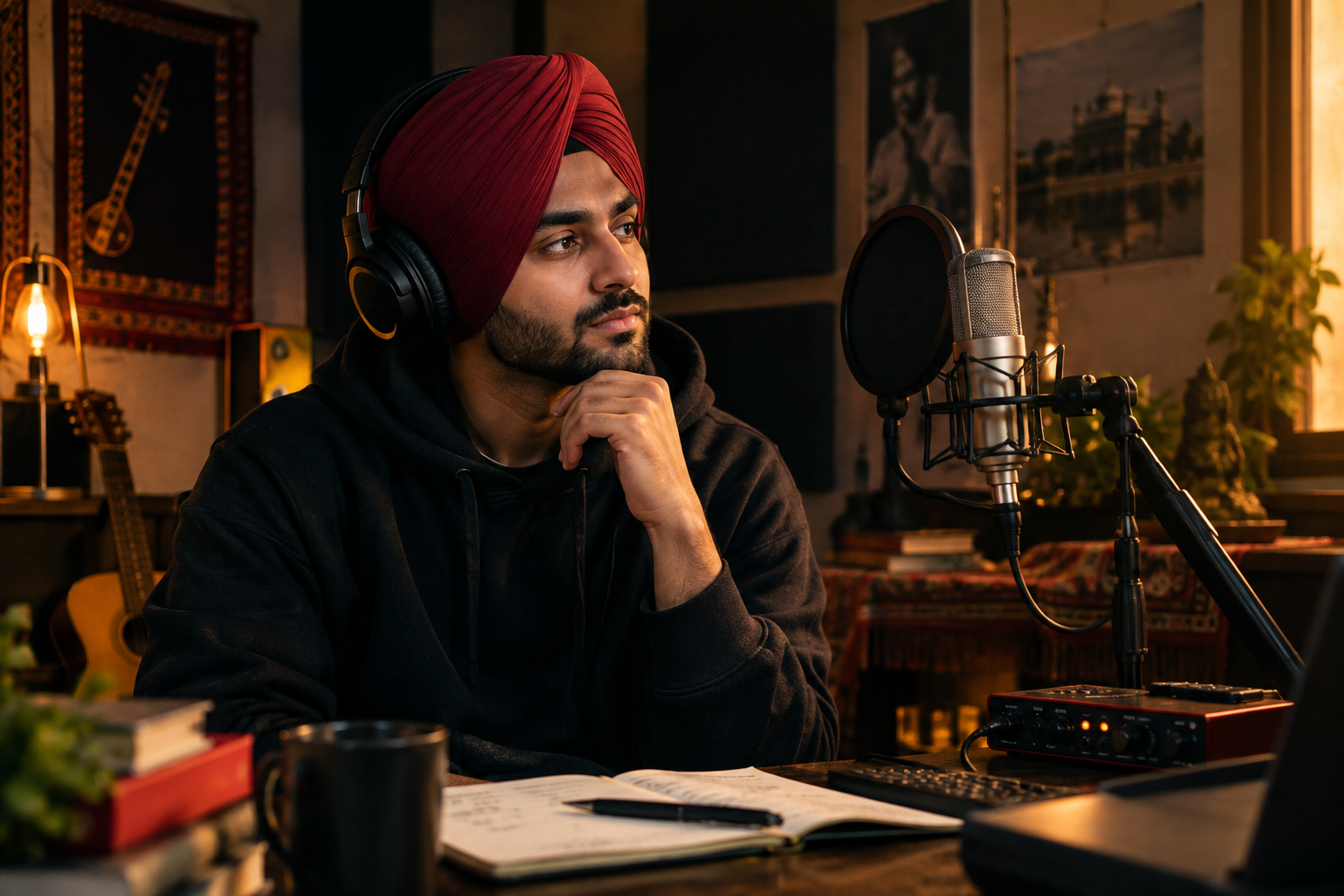
What Good Looks Like for Gain Staging for Home Vocal Recordings in Practice
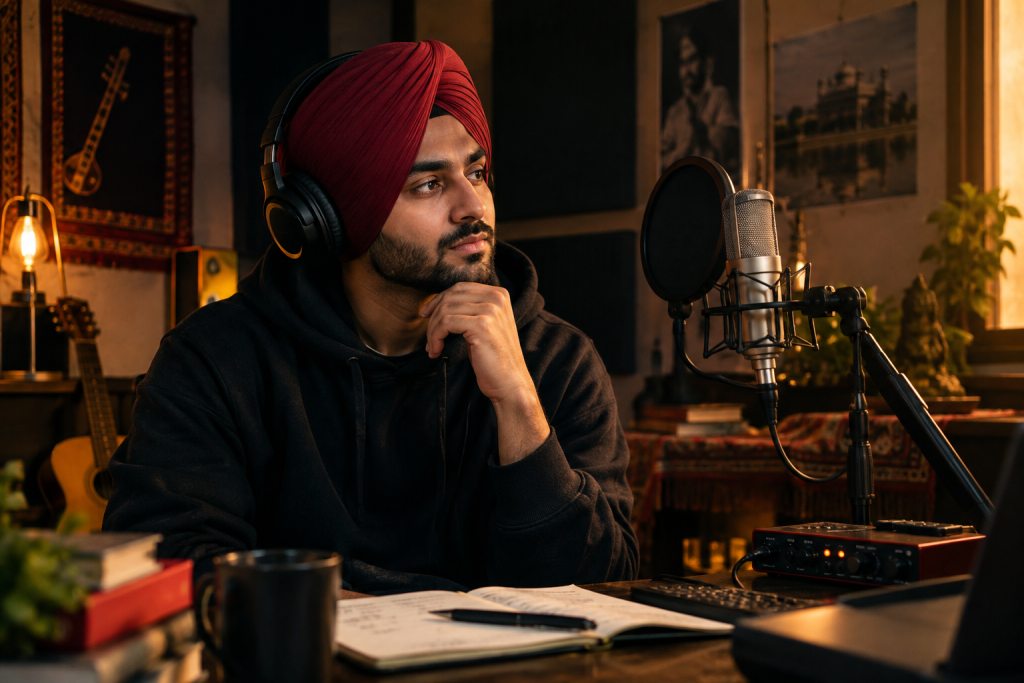
What “Gain Staging For Home Vocal Recordings” means for independent artists
Gain staging for home vocal recordings is a crucial process that ensures your recordings have the right balance of sound levels throughout the recording chain. For independent artists, particularly those working in home studios, gain staging is about managing the input and output levels of your audio equipment to avoid distortion and noise while maintaining the integrity of your vocal performance. This process involves setting the gain levels on your microphone, audio interface, and DAW (Digital Audio Workstation) to ensure that the recorded signal is strong enough to capture the nuances of your performance without introducing unwanted artifacts.
Independent artists, especially those creating bilingual or regional-language music, benefit significantly from proper gain staging. A successfully staged recording will have clear, dynamic vocals that sit well in the mix, allowing the artist’s unique voice to shine through. The outcome of effective gain staging is a polished, professional-quality recording that can compete with tracks produced in more traditional studio environments.
In the context of an independent music artist or producer, gain staging is not just a technical step but a creative one. It allows artists to express their musical ideas without being hindered by technical limitations. By understanding and implementing gain staging, independent artists can achieve a level of sonic clarity and presence that enhances their music, making it more appealing to listeners and industry professionals alike.
Why this matters in independent music artist / producer
The importance of gain staging for home vocal recordings cannot be overstated, particularly for independent music artists and producers. When recording vocals at home, the environment is often less controlled than a professional studio. This makes managing sound levels critical to achieving a clean and professional sound. Gain staging helps ensure that your vocals are not too quiet, which can lead to increased noise when boosting levels later, nor too loud, which can cause distortion.
Generic guides on gain staging often remain abstract, focusing on technical jargon without addressing the unique challenges faced by independent artists. Farro, as an independent artist, understands these challenges and emphasizes practical application over theory. The brand’s positioning is rooted in providing actionable insights that bridge the gap between technical concepts and creative expression.
For independent artists, gain staging is about more than just avoiding technical pitfalls; it’s about creating a sound that resonates with authenticity and clarity. It allows bilingual and regional-language songwriters to ensure their lyrics and vocal nuances are heard clearly, enhancing the listener’s experience and connection to the music. By mastering gain staging, independent artists can elevate their home recordings to a professional standard, making their music more competitive in a crowded market.
A practical workflow for “Gain Staging For Home Vocal Recordings”
To effectively implement gain staging for home vocal recordings, independent artists should follow a structured workflow that begins with preparation. Start by setting up your recording space to minimize ambient noise and reflections. Ensure your microphone is positioned correctly, typically 6-12 inches from the vocalist, and use a pop filter to reduce plosive sounds.
The first step in the gain staging process is to set the input gain on your audio interface. Begin by setting the gain so that the loudest parts of your vocal performance peak at around -12 to -6 dB on your DAW’s meters. This allows for headroom, preventing clipping and distortion while capturing a strong signal. Next, adjust the output levels in your DAW to ensure that the overall mix is balanced and that vocals sit well with other instruments.
After recording, review your tracks carefully. Listen for any distortion or noise and adjust the gain levels accordingly. If necessary, iterate the process by re-recording sections with adjusted gain settings. This iterative approach allows you to refine your recordings, ensuring that each take is of the highest quality.
Practical examples
Let’s consider a practical scenario involving an independent artist recording a regional-language song at home. The artist sets up their recording space in a small room with minimal soundproofing. They position their microphone at the recommended distance and begin the gain staging process by adjusting the input gain on their audio interface.
During recording, the artist notices that during the chorus, their vocals are peaking too high, causing distortion. By reducing the input gain slightly and ensuring that the peaks fall within the -12 to -6 dB range, they achieve a cleaner recording. After tracking, they listen back and find the vocals sit well in the mix, with clarity and presence that highlight the lyrical content.
This example demonstrates how gain staging can transform a home recording into a professional-sounding track. By adapting the process to their specific environment and vocal dynamics, the artist ensures that their unique voice is captured with fidelity, making the final product more engaging for listeners.
Common mistakes to avoid
One of the most frequent mistakes in gain staging for home vocal recordings is setting the input gain too high. This often leads to clipping, where the audio signal exceeds the maximum level the equipment can handle, resulting in distortion. This happens because artists may mistakenly believe that a louder signal is better.
To avoid this, remember that headroom is crucial. Setting the gain so that the loudest parts of the performance peak at around -12 to -6 dB allows for dynamic range without distortion. Another common error is neglecting the impact of room acoustics. Failing to account for ambient noise and reflections can compromise the quality of your recording, so always take steps to minimize these factors.
Instead of prioritizing volume, focus on capturing a clean signal with adequate headroom. This approach ensures that your recordings are free from unwanted noise and distortion, providing a solid foundation for mixing and mastering.
Quick answer:
Quick answer: Gain staging for home vocal recordings is the process of setting audio levels throughout your recording chain to ensure clarity and avoid distortion. For independent artists, this means adjusting the input gain on your audio interface so that your vocals peak between -12 to -6 dB, providing headroom and maintaining sound quality. The primary outcome is a clean, professional-quality recording that enhances your vocal performance and makes your music more competitive. Understanding the depth of this process is essential for achieving the best results, as it allows you to adapt to different recording environments and vocal styles.
Related reading on this site
Frequently asked questions
What does “gain staging for home vocal recordings” mean for independent artists?
In practice, “gain staging for home vocal recordings” means turning research intent into a clear workflow independent artists, bilingual/regional-language songwriters, and fans of the artist brand can finish without guessing. Start with one outcome, one constraint, and one checkpoint you can measure this week.
How should independent artists get started?
Begin with a narrow scope: pick one page or cluster, define the success signal, then execute the core steps for “gain staging for home vocal recordings” before expanding. A finished first pass beats a perfect plan that never ships.
What mistakes should be avoided?
The common failure is collecting tips without producing an artifact. For “gain staging for home vocal recordings”, write the decision, the steps, and the review criteria down — then revise once from real results instead of restarting from scratch.