
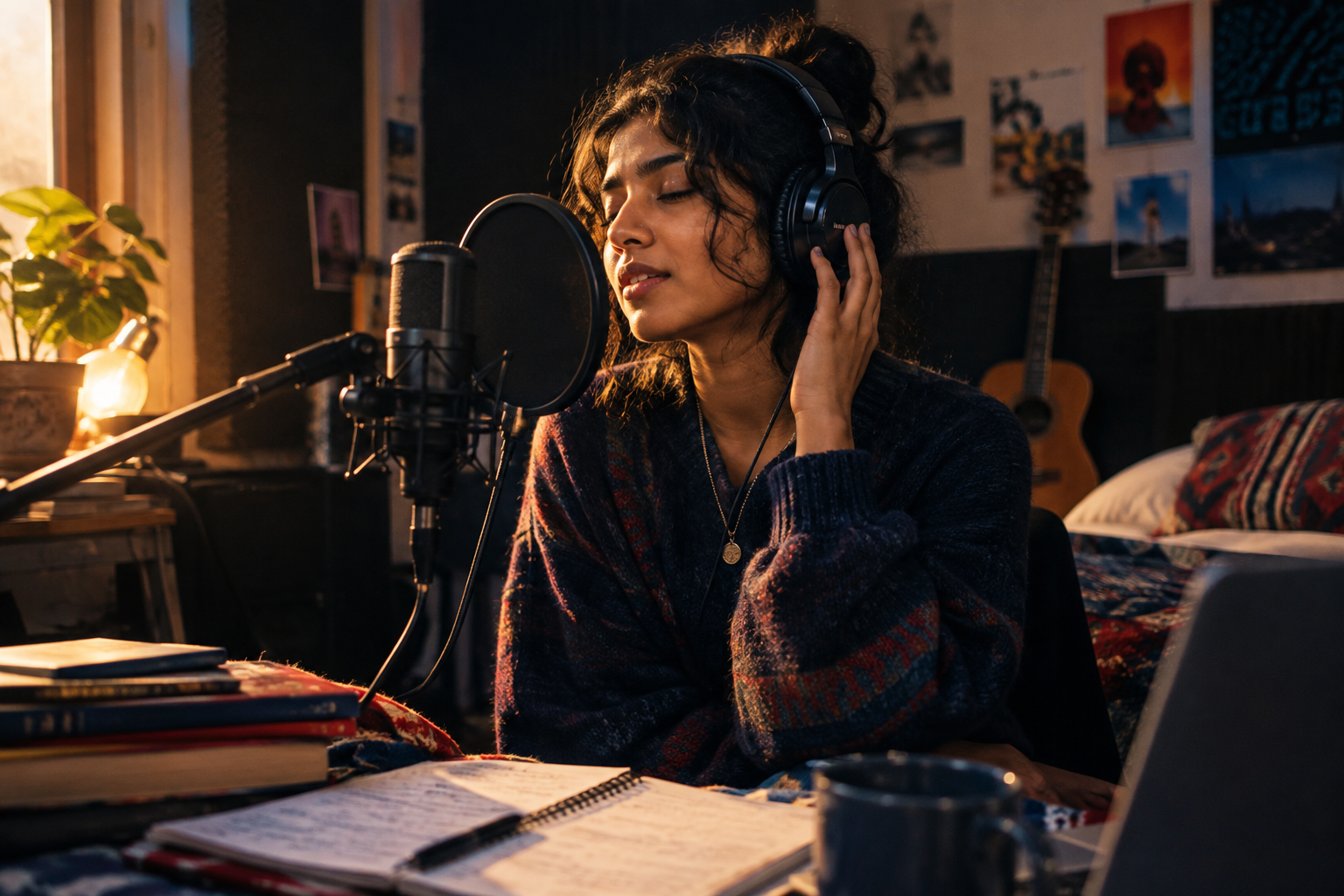
What Good Looks Like for Headphone Mix Checks for Bedroom Vocalists in Practice
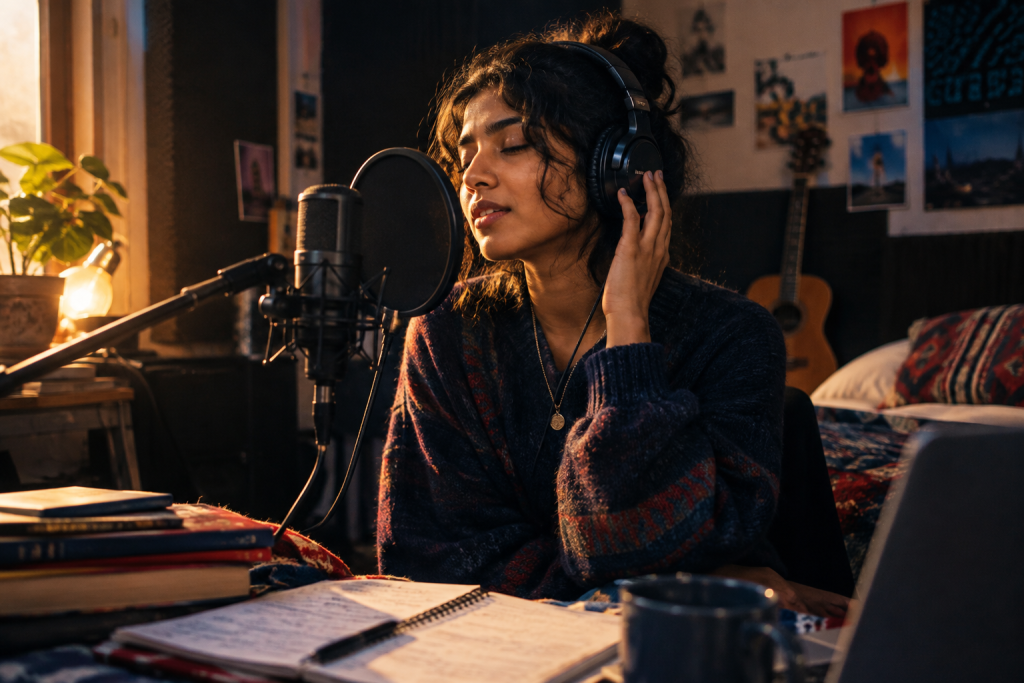
What “Headphone Mix Checks For Bedroom Vocalists” Means for Pakistan
In Pakistan, the burgeoning scene of independent music artists, particularly those who record from home studios, is growing rapidly. “Headphone mix checks for bedroom vocalists” refers to the process of evaluating and adjusting the mix of a vocal track using headphones, a common practice for artists who may not have access to professional studio monitors. This process is crucial for ensuring that the vocals are balanced, clear, and well-integrated with the instrumental tracks, even when resources are limited.
For Pakistani bedroom vocalists, especially those creating music in Urdu, Punjabi, or other regional languages, headphone mix checks can be a game-changer. It allows them to produce high-quality recordings that can compete on both local and global platforms. A successful outcome from a headphone mix check means that the vocals are neither too overpowering nor too subdued and can be clearly understood and appreciated by listeners.
Independent artists in Pakistan benefit greatly from mastering this skill, as it empowers them to take control of their sound without the need for expensive studio time. This is particularly relevant for those in the Urdu and Punjabi music scenes, where storytelling through lyrics is a vital component. By ensuring that their vocals are mixed correctly, artists can better convey their message and connect with their audience.
Connecting this practice to the South Asian independent music landscape, headphone mix checks are a practical solution for artists looking to maintain authenticity and cultural relevance while achieving a professional sound. As the independent music scene continues to evolve, the ability to execute effective headphone mix checks will remain a valuable skill for artists aiming to make their mark both locally and internationally.
Why This Matters in Urdu / Punjabi / South Asian Independent Music
The importance of headphone mix checks for bedroom vocalists is magnified within the Urdu, Punjabi, and broader South Asian independent music scenes. These genres often rely heavily on vocal clarity and lyrical content, making the mixing process crucial. The search intent behind “headphone mix checks for bedroom vocalists” indicates a need for practical, applicable guidance rather than generic advice that often lacks specificity.
Many online guides on mixing are too abstract and cater primarily to Western music production standards, which may not always align with the nuances of South Asian music. For instance, Urdu and Punjabi songs often incorporate traditional instruments and complex vocal layers that require a different mixing approach. This is where Farro’s expertise comes into play, offering insights tailored to the unique needs of South Asian artists.
Farro, as an independent music artist and producer, understands the cultural and technical challenges faced by fellow musicians in the region. By focusing on the specificities of Urdu and Punjabi music, Farro helps artists achieve a polished sound that respects cultural authenticity while meeting modern production standards.
Moreover, headphone mix checks are not just about technical adjustments; they are about artistic expression. For South Asian artists, ensuring that their vocals are mixed well means that their cultural stories and emotions are conveyed effectively. This attention to detail helps artists stand out in a crowded market, where authenticity and quality are key differentiators.
By grounding the explanation in Farro’s real positioning, artists can see the tangible benefits of implementing these checks in their workflow, leading to a more professional and impactful sound. This approach not only enhances their music but also supports the growth of the independent music scene in South Asia.
A Practical Workflow for “Headphone Mix Checks For Bedroom Vocalists”
For bedroom vocalists aiming to perfect their headphone mix checks, having a structured workflow is essential. The process begins with preparing the necessary inputs and understanding the constraints of working in a home studio environment.
First, gather all the necessary equipment: a good pair of headphones, a digital audio workstation (DAW) like Ableton Live or FL Studio, and a reliable audio interface. The choice of headphones is crucial; they should provide a flat frequency response to ensure an accurate mix.
Once the equipment is ready, start with the core steps of the mixing process. Begin by setting the levels of your vocal track relative to the instrumental. It’s important to strike a balance where the vocals sit well in the mix without overpowering the instruments. Use EQ to carve out space for the vocals, cutting frequencies that clash and boosting those that enhance clarity.
Next, apply compression to control the dynamic range of the vocals, ensuring consistent volume throughout the track. Reverb and delay can add depth and space to the vocals but should be used sparingly to avoid muddiness.
After executing these steps, take a break and return with fresh ears to review the results. Listen critically to the mix, focusing on how the vocals sit within the track. Make adjustments as necessary, iterating on the process until the desired sound is achieved.
Finally, test the mix on different playback systems, such as car speakers or phone speakers, to ensure it translates well across all devices. This step is crucial for identifying any issues that may not be apparent through headphones alone.
By following this practical workflow, bedroom vocalists can achieve a professional-sounding mix, enhancing their music’s impact and appeal. This method not only refines their technical skills but also boosts their confidence in producing high-quality music from the comfort of their home studios.
Practical Examples
For bedroom vocalists in Pakistan, mastering the art of headphone mix checks can significantly elevate the quality of their recordings. Let’s imagine a scenario where a vocalist is working on an Urdu song from their small home studio. The vocalist uses budget-friendly headphones and a basic audio interface. The objective is to ensure that the vocal track is clear and well-balanced with the instrumental.
Firstly, the vocalist should start by setting the headphone volume at a comfortable level. This prevents ear fatigue, allowing more extended periods of critical listening. Next, they should focus on the vocal clarity. In Urdu or Punjabi songs, the pronunciation and emotion conveyed through the lyrics are crucial. The vocalist should ensure that their voice is not drowned out by the instrumental track. This can be achieved by slightly lowering the instrumental volume or using EQ to carve out a space for the vocals.
A good outcome in South Asian independent music involves a mix where the vocals are prominent yet blend seamlessly with the music. For instance, in a Punjabi folk fusion track, the dhol and tumbi should complement rather than overshadow the vocal performance. The vocalist should listen for any harsh frequencies in the higher register, which can be tamed using EQ adjustments.
Adapting to different constraints, such as limited equipment, requires creativity. For example, if the room acoustics are poor, recording closer to the microphone can help capture a more direct sound, minimizing room reflections. Utilizing DIY acoustic treatment, like heavy curtains or bookshelves, can also improve the recording environment.
By following these steps, bedroom vocalists can achieve a professional-sounding mix that resonates with their audience, even with limited resources. For more tips and resources, visit Farro.
Common Mistakes to Avoid
One frequent mistake bedroom vocalists make during headphone mix checks is setting the headphone volume too high. This can lead to ear fatigue, causing the vocalist to lose sensitivity to certain frequencies, resulting in an imbalanced mix. Over time, this practice may also cause hearing damage, which can severely impact a musician’s career.
This mistake often happens because vocalists believe that louder volumes will help them hear imperfections more clearly. However, this is a misconception. High volumes can mask subtle details and lead to poor mixing decisions. It can also result in the vocalist overcompensating by boosting certain frequencies unnecessarily, leading to a harsh or muddy mix.
The safer alternative is to mix at moderate levels. This allows the vocalist to maintain their hearing acuity and make more accurate judgments about the balance and clarity of the mix. Additionally, taking regular breaks during mixing sessions can help prevent ear fatigue, ensuring the vocalist remains fresh and attentive to detail.
Another common error is not referencing the mix on different playback systems. A mix that sounds great on headphones might not translate well to speakers or car audio systems. Vocalists should check their mixes on various devices to ensure consistency across different listening environments.
By avoiding these mistakes, bedroom vocalists can achieve a more polished and professional sound. For further guidance and resources, you can explore the Updates section on Farro’s website.
Quick Answer
For bedroom vocalists, conducting effective headphone mix checks involves maintaining moderate listening volumes to prevent ear fatigue and ensure accurate sound perception. A good mix should have the vocals clearly defined, with a balanced integration of the instrumental track. It’s crucial to make EQ adjustments to carve out space for the vocals, especially in genres like Urdu and Punjabi music where lyrical clarity is essential.
Additionally, vocalists should reference their mixes on various playback systems to ensure the mix translates well across different environments. By following these practices, bedroom vocalists can achieve a professional-sounding mix even with limited equipment. For more insights, visit Farro.
Limitations and honest caveats
This guide cannot guarantee outcomes for every team, market, or constraint set. Treat the steps as a practical framework: adapt them to your capacity, tools, and goals, and verify requirements for your situation before acting.
Related reading on this site
- Independent Music Artist Grants
- Independent Music Artist Website
- Looking for Farrokh? Meet Farro, Farrukh Khurshid
Frequently asked questions
What does “headphone mix checks for bedroom vocalists” mean for Pakistan?
In practice, “headphone mix checks for bedroom vocalists” means turning research intent into a clear workflow Pakistan, India, UK, Europe, USA/Canada, South Asian diaspora listeners can finish without guessing. Start with one outcome, one constraint, and one checkpoint you can measure this week.
How should Pakistan get started?
Begin with a narrow scope: pick one page or cluster, define the success signal, then execute the core steps for “headphone mix checks for bedroom vocalists” before expanding. A finished first pass beats a perfect plan that never ships.
What mistakes should be avoided?
The common failure is collecting tips without producing an artifact. For “headphone mix checks for bedroom vocalists”, write the decision, the steps, and the review criteria down — then revise once from real results instead of restarting from scratch.