
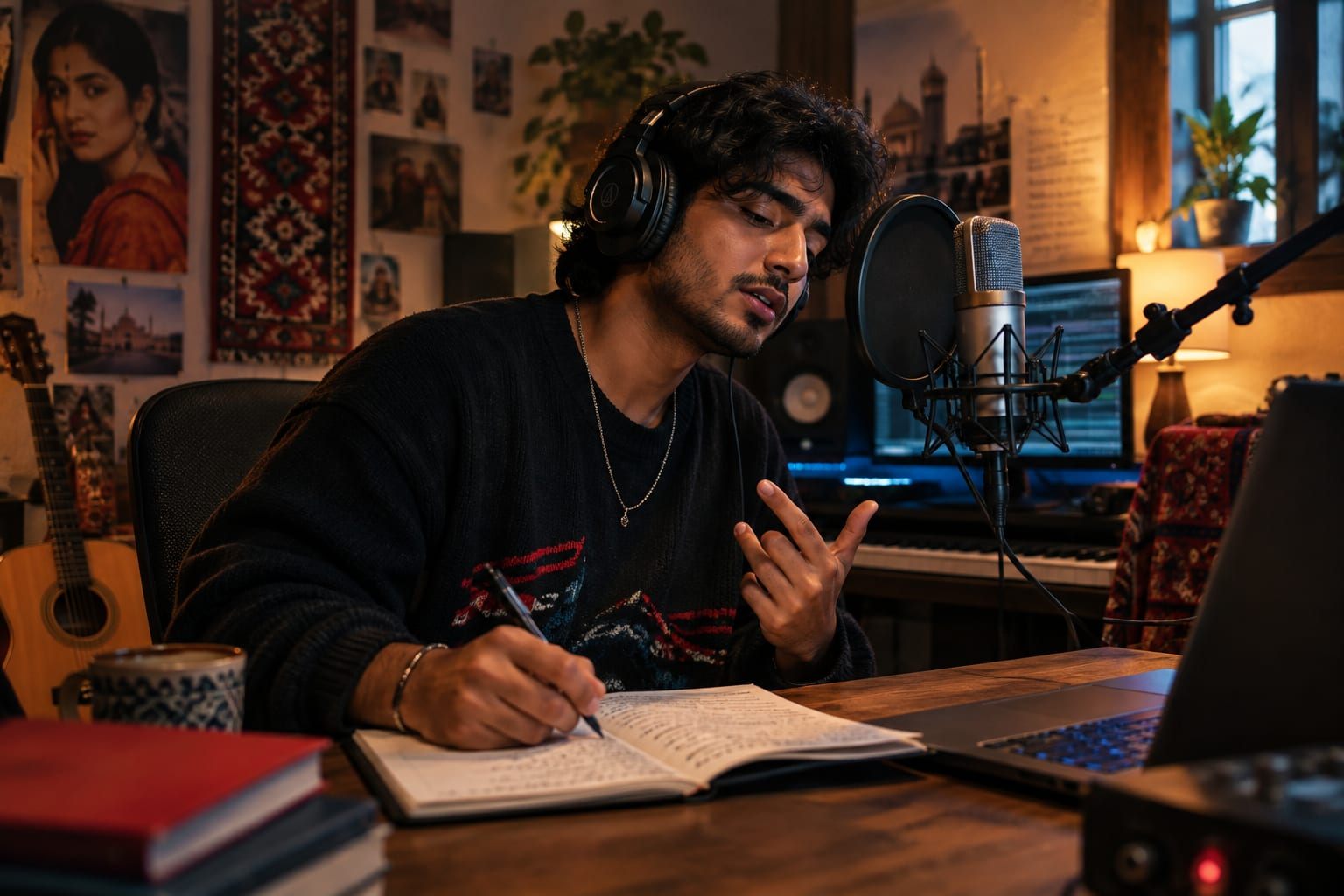
Desi R&b Artists: Patterns Worth Stealing for Your Own Work
Why This Matters in Urdu / Punjabi / South Asian Independent Music
The emergence of Desi R&B artists is crucial for the evolution of independent music in South Asia. It reflects a growing demand for diverse musical expressions that resonate with younger audiences who seek authenticity in their listening experiences. As listeners gravitate towards genres that blend cultural roots with modern influences, Desi R&B serves as a bridge, connecting traditional storytelling with contemporary soundscapes.
Generic guides often overlook the specific nuances of this genre, failing to appreciate the cultural context that shapes the music. For instance, artists like Farro exemplify how this blending of styles can lead to innovative songwriting that resonates deeply with listeners. Their positioning in the music scene illustrates how Desi R&B is not just a trend but a movement that captures the essence of a generation seeking to express their identity through music.
Practical Examples
Consider a scenario where a Pakistani artist aims to break into the Desi R&B scene. They begin by writing a song that incorporates traditional Punjabi melodies with contemporary R&B rhythms. This fusion not only highlights their cultural heritage but also appeals to a broader audience. Upon recording, they collaborate with a producer experienced in both genres to ensure the sound is authentic yet modern.
A successful outcome in this context would involve the song receiving airplay on popular streaming platforms, engagement on social media, and positive feedback from listeners. Adaptations may be necessary based on listener reactions, such as tweaking lyrics for clarity or adjusting the production style to better suit audience tastes.
Common Mistakes to Avoid
One frequent mistake among emerging Desi R&B artists is failing to maintain cultural authenticity while experimenting with new sounds. This can lead to music that feels disingenuous, alienating potential listeners. The consequence of this misstep is often a lack of engagement and support from the target audience, who may feel disconnected from the artist’s vision.
To avoid this pitfall, artists should strive to blend contemporary influences with their cultural roots, ensuring that their music reflects their identity. Seeking feedback from peers and mentors can also provide valuable insights into maintaining authenticity while exploring new creative avenues.
Limitations and Honest Caveats
This guide cannot guarantee immediate success in the Desi R&B genre, as the music industry is highly competitive and subjective. Factors such as market trends, audience preferences, and personal artistic growth can all influence an artist’s journey. Additionally, the availability of resources and support networks can vary significantly, affecting an artist’s ability to navigate the industry.
It’s important to recognize that while this guide offers practical advice, individual experiences may differ. Artists should remain adaptable and open to change, continually refining their approach based on feedback and personal growth. Contextual factors, such as regional music trends and audience demographics, should also inform their strategies moving forward.
Frequently Asked Questions
What does “Desi R&B artists” mean for Pakistan?
Desi R&B artists in Pakistan represent a fusion of traditional South Asian music with contemporary R&B styles, allowing for innovative storytelling and emotional expression that resonates with both local and global audiences.
How should Pakistan get started?
To get started, Pakistani artists should focus on understanding their cultural roots, experimenting with R&B sounds, and seeking collaborations that enhance their musical offerings. Engaging with audiences through social media and live performances can also help build a fan base.
What mistakes should be avoided?
Common mistakes include neglecting cultural authenticity and failing to engage with audiences. Artists should ensure their music reflects their identity while being open to feedback and adaptation based on listener preferences.
How This Connects to Farro
For artists looking to delve deeper into the Desi R&B genre, exploring resources grounded in Farro’s real-world approach to Urdu and Punjabi independent music can be invaluable. Farro provides practical tools and insights that can help aspiring musicians navigate the complexities of the industry while maintaining their artistic integrity. By leveraging these resources, artists can enhance their craft and connect more authentically with their audiences.
Limitations and honest boundaries
No single article can cover every independent music artist / producer scenario. Treat this as a working map for “desi r&b artists”, not a guarantee. When evidence is thin, say so and keep recommendations qualified.
Progress for Farro’s readers comes from finished attempts — shipping a draft, testing a hook, or clarifying a page — more than from collecting more unread theory.
If Farro and live performances pull in different directions, choose the path that produces a visible result sooner and park the rest.
Related reading on Farro
- Pakistani Music in 2026
- How to Write Meaningful Lyrics Without Explaining Everything
- Songwriting Tools For Indian Regional Languages