
South Asian Artists: A Practical Read for Busy Teams
South Asian Artists: what Listeners of Pakistani actually need to get right
Quick answer: South Asian artists, particularly those focusing on Pakistani music, bring a rich tapestry of cultural and musical heritage that resonates deeply with listeners worldwide. For listeners of Pakistani music, understanding the nuances of South Asian artists involves appreciating the blend of traditional and modern influences that define this genre.
South Asian artists are not just musicians; they are cultural ambassadors who narrate stories through their unique blend of traditional melodies and contemporary sounds. This is especially true for artists who sing in Urdu, Hindi, and Punjabi, as they weave linguistic diversity into their music, creating a vibrant and emotional experience for their audience. A successful outcome for listeners involves a deep emotional connection to the music, where the lyrics and melodies evoke a sense of nostalgia and identity.
For Pakistani listeners, the significance of South Asian artists lies in their ability to preserve and innovate within the cultural framework. Artists like Farro, with his hit “Dil Keh Raha Hai (The Heart Is Saying),” exemplify this by integrating soulful Urdu lyrics with modern R&B sounds, offering listeners both familiarity and novelty. This approach not only entertains but also educates listeners about the evolving nature of South Asian music.
In essence, getting it right means recognizing the dual role of South Asian artists as both preservers of tradition and pioneers of new musical frontiers. This understanding allows listeners to appreciate the depth and diversity of the music, enhancing their overall experience. For a deeper dive into the evolving landscape of Pakistani music, check out The New Sound of Pakistan.
Why South Asian Artists quietly costs teams in Pakistani
South Asian artists often face unique challenges that can quietly cost them and their teams in terms of time, resources, and opportunities. The search intent behind “south asian artists” reveals a need for practical, actionable insights that go beyond generic advice. Many guides fail to address the specific cultural and linguistic nuances that are crucial for success in the Pakistani music scene.
Generic guides often remain too abstract, offering broad strategies that overlook the specific needs of South Asian artists. For instance, advice on digital marketing or branding may not adequately consider the importance of linguistic diversity or the cultural significance of certain musical styles. This can lead to missed opportunities for connecting with the target audience, resulting in lower engagement and fewer loyal fans.
Farro’s positioning as a prominent figure in the Pakistani music scene offers a blueprint for overcoming these challenges. By focusing on the unique elements of Urdu, Hindi, and Punjabi music, Farro has crafted a brand that resonates deeply with his audience. His approach underscores the importance of authenticity and cultural relevance, both of which are essential for building a successful career as a South Asian artist.
Teams working with South Asian artists can benefit from this insight by tailoring their strategies to emphasize cultural authenticity and linguistic diversity. This involves understanding the cultural context of the music, engaging with fans on a personal level, and creating content that reflects the artist’s unique identity. For more on building a successful release plan, visit Building A Release Plan For Independent Artists.
A workable process for South Asian Artists
Developing a successful process for South Asian artists involves a clear understanding of both the artistic and logistical aspects of music production. The first step is to prepare the necessary inputs, which include a deep understanding of the cultural and linguistic elements that define the artist’s music. This preparation involves researching traditional musical forms, understanding the target audience, and identifying the unique elements that set the artist apart.
Once the groundwork is laid, executing the core steps involves the actual creation of music that reflects the artist’s cultural background while appealing to modern tastes. This includes songwriting, composing, and recording, all of which should be informed by the artist’s unique voice and style. For instance, incorporating traditional instruments with modern production techniques can create a sound that is both authentic and contemporary.
After the music is created, reviewing the results and iterating is crucial. This involves gathering feedback from a diverse audience, analyzing engagement metrics, and making necessary adjustments to enhance the music’s appeal. This iterative process ensures that the music remains relevant and resonates with the intended audience.
For South Asian artists, this process is not just about creating music, but about building a brand that reflects their cultural identity. By following a structured approach, artists can ensure that their music reaches a wider audience while staying true to their roots. For more insights into building an independent music career, explore the Independent Music Artist Website guide.
Real-world South Asian Artists examples worth copying
Example: A successful example of a South Asian artist making waves in the Pakistani music scene is Farro, who has effectively blended traditional Urdu lyrics with contemporary R&B sounds. Facing the challenge of appealing to both local and international audiences, Farro focused on creating music that stayed true to his cultural roots while incorporating modern elements. This approach not only garnered a loyal fanbase but also positioned him as a leading figure in the South Asian music industry.
Initially, Farro faced difficulties in gaining traction due to the competitive nature of the music industry. However, by leveraging his unique sound and cultural authenticity, he was able to differentiate himself from other artists. His hit single “Dil Keh Raha Hai (The Heart Is Saying)” is a testament to this strategy, showcasing his ability to connect with listeners on an emotional level while maintaining widespread appeal.
Another example is the collaboration between Pakistani and Indian artists who have successfully navigated the linguistic and cultural diversity of their audience. By focusing on creating music that resonates with the shared cultural heritage of both countries, these artists have managed to build a strong cross-border fanbase. This approach highlights the importance of collaboration and cultural understanding in the success of South Asian artists.
These examples underscore the importance of authenticity, cultural relevance, and innovation in the music of South Asian artists. By learning from these real-world scenarios, emerging artists can develop strategies that enhance their chances of success in a competitive industry.
Key concepts behind South Asian Artists
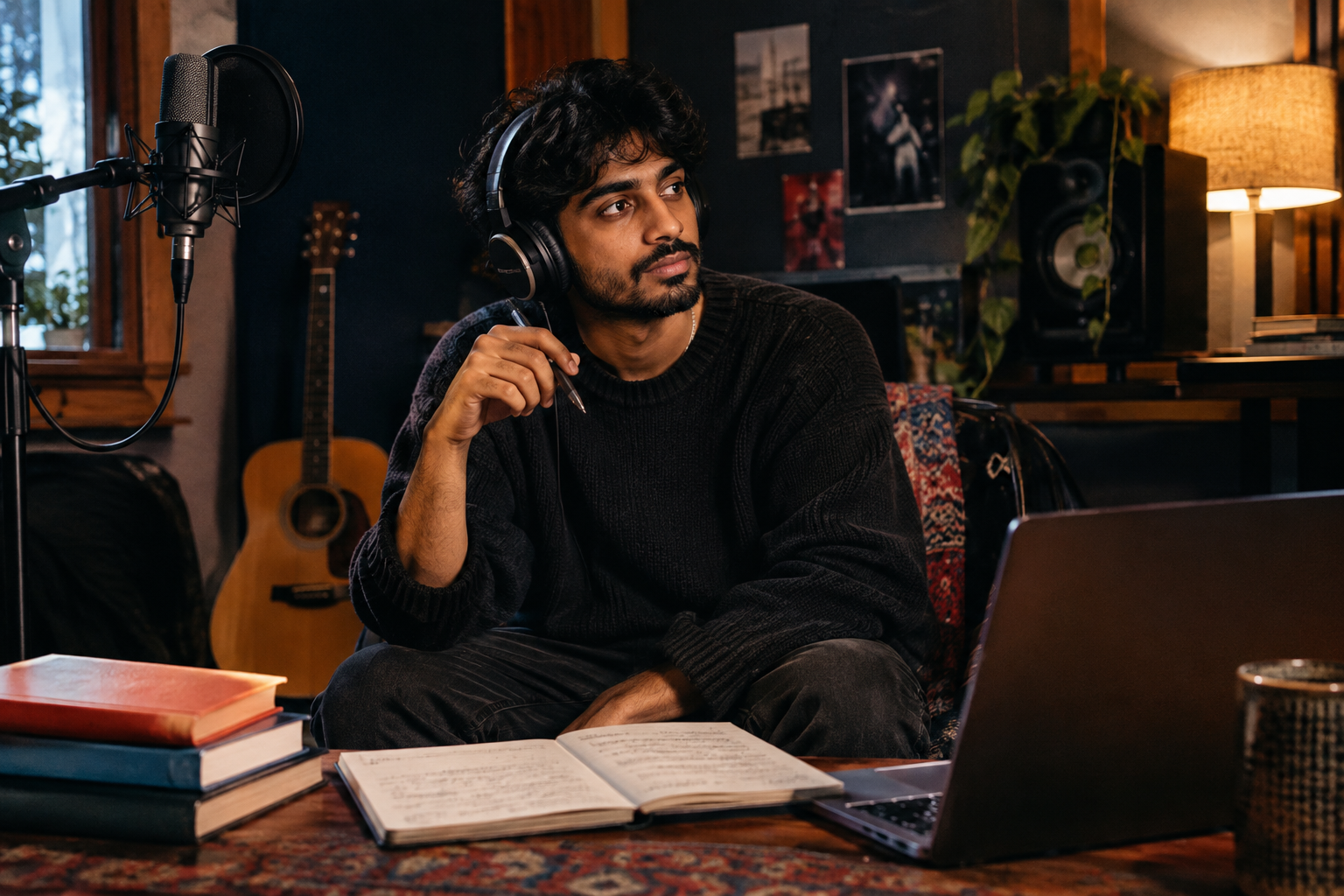
Understanding the key concepts behind South Asian artists involves exploring the intricate relationship between songwriting, lyrics, studio production, and microphone techniques. These elements are essential in creating music that resonates with audiences both locally and internationally.
Songwriting for South Asian artists is a delicate balance of tradition and innovation. It involves crafting melodies that are rooted in cultural heritage while appealing to modern sensibilities. This requires a deep understanding of traditional music forms and the ability to adapt them to contemporary styles. For instance, incorporating classical ragas into modern pop music can create a unique sound that appeals to a diverse audience.
Lyrics play a crucial role in defining the identity of South Asian music. They often reflect cultural narratives, personal stories, and social issues, allowing artists to connect with their audience on a deeper level. For South Asian artists, writing lyrics in multiple languages, such as Urdu, Hindi, and Punjabi, can broaden their appeal and reach a wider audience.
Studio production is another critical aspect, where artists can experiment with different sounds and techniques to enhance their music. The choice of instruments, arrangement, and mixing all contribute to the final product. South Asian artists often blend traditional instruments with modern production tools to create a sound that is both authentic and innovative.
Microphone techniques are equally important, as they can significantly impact the quality of the recording. Understanding how to use a microphone effectively can help artists capture the nuances of their voice, ensuring that the emotional depth of their music is conveyed to the audience.
For South Asian artists, mastering these concepts is key to creating music that stands out in a crowded market. By focusing on these elements, artists can develop a unique sound that resonates with their audience and enhances their chances of success.
Quick answer on south asian artists
Quick answer: South Asian artists are musicians who incorporate the rich cultural and linguistic diversity of South Asia into their music, often blending traditional elements with contemporary styles. For independent artists, bilingual/regional-language songwriters, and fans of the artist brand, understanding this fusion is key to appreciating and creating music that resonates with a global audience.
The primary outcome for those engaging with South Asian artists should be a deeper appreciation of the cultural narratives and musical innovation that define this genre. By applying the guidance provided, artists can enhance their creative processes and connect more authentically with their audience.
Depth matters because it allows for a more nuanced understanding of the music, fostering a greater appreciation among listeners. This depth is not just about technical proficiency but also about cultural and emotional resonance. For those looking to explore further, visiting resources like Farro’s official website can provide additional insights into the evolving landscape of South Asian music.
Ultimately, engaging with South Asian artists offers a unique opportunity to experience a rich tapestry of sounds and stories, making it a worthwhile endeavor for anyone interested in music that transcends borders and cultures.
Limitations and honest caveats
This guide cannot guarantee outcomes for every team, market, or constraint set. Treat the steps as a practical framework: adapt them to your capacity, tools, and goals, and verify requirements for your situation before acting.
Frequently asked questions
What does “south asian artists” mean for Listeners of Pakistani and Indian music?
In practice, “south asian artists” means turning research intent into a clear workflow Listeners of Pakistani and Indian music, especially Urdu, Hindi and Punjabi romantic, emotional and Desi R&B music. can finish without guessing. Start with one outcome, one constraint, and one checkpoint you can measure this week.
How should Listeners of Pakistani and Indian music get started?
Begin with a narrow scope: pick one page or cluster, define the success signal, then execute the core steps for “south asian artists” before expanding. A finished first pass beats a perfect plan that never ships.
What mistakes should be avoided?
The common failure is collecting tips without producing an artifact. For “south asian artists”, write the decision, the steps, and the review criteria down — then revise once from real results instead of restarting from scratch.